
Accompanying Spouse Visa
South Africa’s Draft Revised White Paper on Citizenship, Immigration and Refugee Protection could significantly reshape the future of accompanying spouse visas for foreign nationals living and working in the country. Under the current Immigration Act, spouses accompanying holders of work visas or Critical Skills Work Visas are generally not permitted to work unless separately authorised. However, proposed reforms suggest a move toward a more family-centred immigration framework that may allow accompanying spouses to participate economically while residing lawfully in South Africa. This potential policy shift reflects growing recognition that skilled migration is often a family decision, and that attracting global talent requires immigration systems that support both professional and family stability.
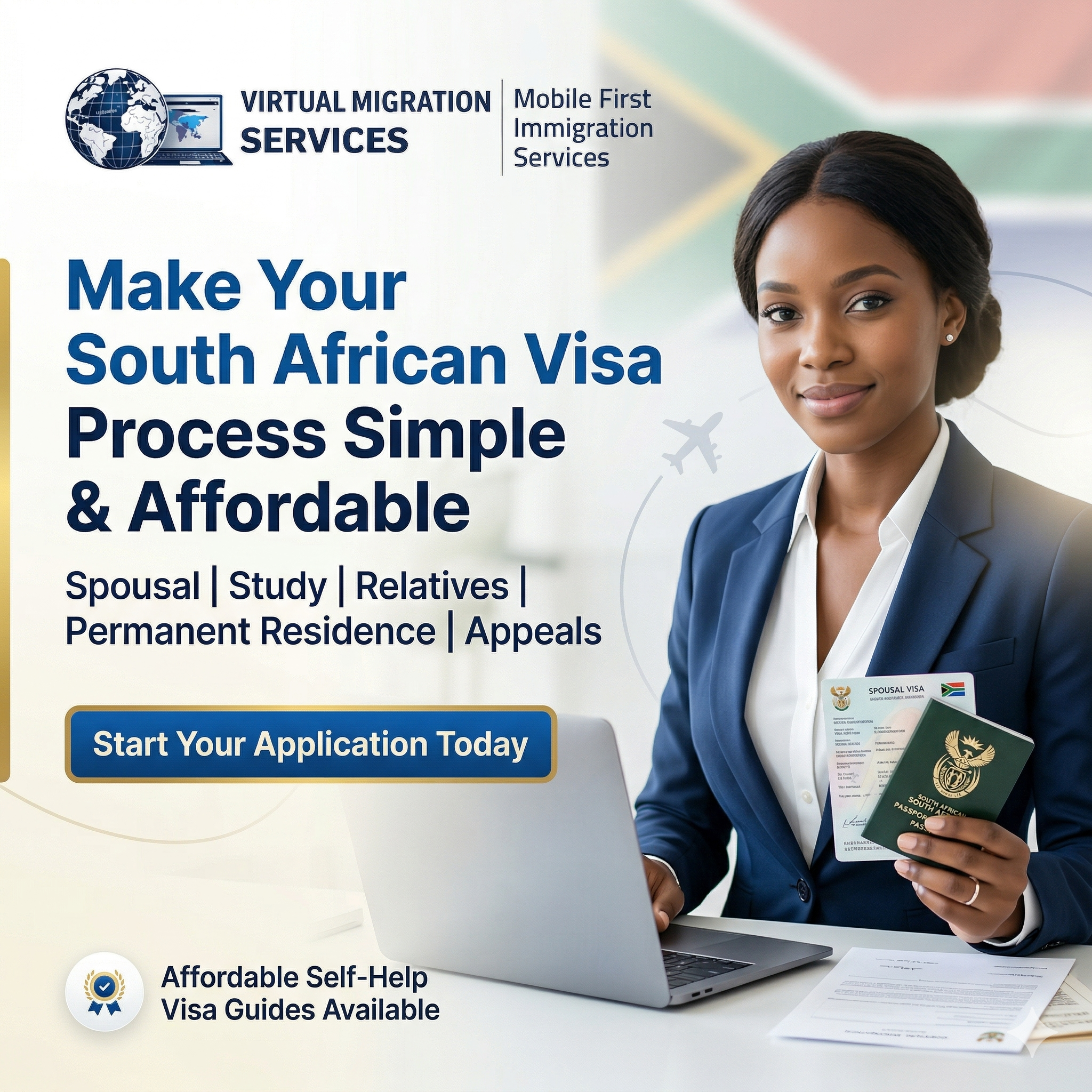
Accompanying Spouse Visas in South Africa: What the Draft White Paper Could Mean for Families
South Africa’s immigration system is entering a period of important reform. For many foreign professionals, one of the most significant developments is the proposal that spouses of foreign nationals holding work visas or Critical Skills Work Visas may be allowed to work while on an accompanying spouse visa.
Under the current Immigration Act 13 of 2002, an accompanying spouse visa generally allows the spouse of a foreign national with valid temporary residence status to live with that principal visa holder in South Africa. However, the accompanying spouse does not automatically receive the right to work, study, or conduct business unless separately authorised.
Why This Matters
This has created challenges for many families. One spouse may lawfully work in South Africa while the other is legally present but economically restricted. For skilled professionals, this can affect family stability, household income, and long-term relocation decisions.
The Draft White Paper Proposal
The Draft Revised White Paper on Citizenship, Immigration and Refugee Protection proposes a more modern and economically strategic immigration system. One of the key policy directions is to make South Africa more attractive to skilled foreign nationals.
In that context, the White Paper has been understood as supporting reforms that would allow spouses of foreign nationals on work visas or Critical Skills Work Visas to work in South Africa while accompanying the principal visa holder.
This proposed reform recognises that skilled migration is often a family decision. If South Africa wants to attract and retain global talent, the immigration system must also consider the rights, dignity, and economic participation of accompanying family members.
Current Position vs Proposed Reform
| Current Position | Proposed Reform Direction |
|---|---|
| Spouse may reside in South Africa. | Spouse may potentially be allowed to work. |
| Work rights are not automatic. | Work rights may be linked to the accompanying spouse visa. |
| Separate authorisation may be required. | Administrative barriers may be reduced. |
| Family income may be limited to one working spouse. | Families may gain greater financial stability. |
Important Legal Caution
The Draft White Paper is a policy document and not yet fully implemented law. Until the Immigration Act and regulations are formally amended, foreign nationals must continue to comply with the current visa conditions issued by the Department of Home Affairs.
This means that accompanying spouses should not assume they may work unless their visa expressly allows them to do so or unless the law is formally changed.
Documents Commonly Required
- Valid passport
- Marriage certificate
- Proof of the principal visa holder’s valid South African visa
- Proof of financial support
- Medical and radiological reports where required
- Police clearance certificates where applicable
- Supporting evidence confirming the family relationship
Why Proper Guidance Matters
Immigration compliance in South Africa is becoming stricter. A poorly prepared application can result in delays, requests for further documentation, or rejection. Families should ensure that their applications are properly structured, legally compliant, and supported by clear evidence.
For employers, skilled professionals, and families, the proposed reform could be highly significant. It would align South Africa with a more competitive global immigration model that recognises family unity and economic participation as part of attracting skilled talent.
Conclusion
The proposed changes in the Draft White Paper could mark an important shift in South African immigration law. Allowing spouses of work visa and Critical Skills Work Visa holders to work on accompanying spouse visas would support family stability, improve South Africa’s attractiveness to skilled migrants, and reduce unnecessary administrative barriers.
Until these reforms become law, however, applicants must follow the current Immigration Act, regulations, and Department of Home Affairs requirements.
Virtual Migration Services provides mobile-first immigration guidance for individuals and families applying for South African visas.
Quick summary
South Africa’s accompanying spouse visa allows the spouse of a foreign national holding a valid work visa or Critical Skills Work Visa to legally reside in South Africa. Under the current Immigration Act 13 of 2002, accompanying spouses generally do not receive automatic work rights and usually require separate authorisation to work, study, or conduct business.
However, South Africa’s Draft Revised White Paper on Citizenship, Immigration and Refugee Protection proposes reforms that may allow accompanying spouses of skilled foreign workers to work while residing in the country. The proposed changes aim to improve family stability, attract global talent, reduce administrative barriers, and modernise South Africa’s immigration system.
Although these reforms are not yet law, they signal a possible shift toward a more family-centred and economically strategic immigration framework. Foreign nationals and accompanying spouses must still comply with the current visa conditions and Department of Home Affairs requirements until formal legislative amendments are implemented.